https://prode89.com/the-ultimate-guide-to-mastering-classic-global-sauces-and-condiments/
Dijon mustard is a classic French sauce with a unique flavor, delicate and slightly sour taste, and rich and soft mustard aroma. It is loved by food lovers all over the world. Whether it is paired with meat or seafood, used to make salad dressing, or spread on bread, it can add French style and flavor to traditional French cuisine or creative dishes.
The Origin of Dijon Mustard
The history of Dijon mustard can be traced back to the Middle Ages, when mustard was popular in France. People mixed mustard seeds with vinegar, salt and water, let them ferment slowly, and made sauces. The city of Dijon is located in the Burgundy region. Because of its excellent location, it has become an important commercial center, which has also made the mustard business more and more prosperous. Since the 13th century, many books have mentioned Dijon mustard; by the 14th century, many places had opened mustard factories. In the 20th century, producers in Dijon and Paris became the leaders of the industry, and people preferred Dijon mustard to other places. A major event happened in 1937. A lawsuit about Dijon mustard clarified its relationship with a specific recipe. It was also in this year that the official regulations stipulated that there must be at least 500,000 mustard seeds in every kilogram of Dijon mustard, and the content must not be less than 28%. Now, Dijon mustard is famous all over the world. In the European market, one out of every two bottles of mustard sold is produced in Dijon.
Ingredients You’ll Need
- Brown mustard seeds – 4 tbsp
- Yellow mustard seeds – 4 tbsp
- Dry white wine – ½ cup
- White wine vinegar or sherry vinegar – ½ cup
- Salt– 15 g
How to Make Dijon Mustard
- Place the mustard seeds, wine, and vinegar in a glass bowl. Glass is best because the acids in the wine and vinegar can react with certain metals and produce an unpleasant taste. Wrap in plastic wrap and place in a cool place at room temperature for two days.
- Pour the mixture from step 1 into a blender, add salt, and blend for about 30 seconds, until the texture is to your liking.
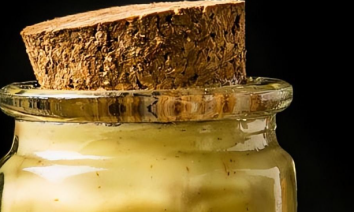
- Place the mustard in an airtight glass jar and refrigerate for 24 hours before serving.
Serving Suggestions
Dijon mustard is a versatile dipping sauce that pairs perfectly with a variety of dishes. In French cuisine, it is a classic with steak and is also delicious with roast chicken. Brushing a layer of Dijon mustard on the surface of roast chicken not only adds flavor, but also makes the chicken skin more golden and crispy. When making a sandwich, spread Dijon mustard on a slice of bread and add ham, lettuce, cheese and other ingredients to instantly enhance the taste of the sandwich.
Storage and Make-Ahead Tips
- Refrigerate – Store in an airtight container for up to 3 – 6 months .
- Be careful to avoid direct sunlight and high temperature environment to prevent the sauce from spoiling and losing its flavor.
Recipe FAQs
Can other mustard seeds be substituted for yellow mustard seeds? Yes. Brown or black mustard seeds can also be used to make Dijon mustard.
I don’t like the taste too spicy, how to adjust? : If you don’t like the taste too spicy, you can reduce the amount of mustard seeds, or shorten the insulation time during the hydrolysis process to reduce the generation of spicy substances.
https://prode89.com/the-ultimate-guide-to-mastering-classic-global-sauces-and-condiments/