https://prode89.com/the-ultimate-guide-to-mastering-classic-global-sauces-and-condiments/
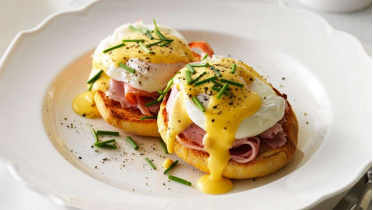
Hollandaise sauce (French: sauce hollandaise) is a mayonnaise- like sauce and one of the seven French sauces. It is most commonly poured on American breakfast Benedict eggs or eaten with asparagus.
The Origin of Hollandaise Sauce
Where did Hollandaise sauce come from? There is still no definitive answer. Some say it was born in the Netherlands and was originally used to accompany local fish dishes. Later, it was introduced to France in the 17th century and was improved and perfected by French chefs, gradually becoming a signature sauce in French cuisine. But some people think that this sauce was actually invented by the French. As for why it is called “Hollandaise” sauce, it may be because it borrowed from the Dutch cooking methods or used Dutch specialty ingredients.
Ingredients You’ll Need
Egg yolk : 2
White peppercorns : 6
White vinegar, water: 1 tablespoon
Butter: 8 oz
How to make hollandaise sauce
- Slowly melt butter over water.
- Place a small saucepan with the vinegar, water, and peppercorns on the heat and evaporate half of the water. Remove from the heat and let cool, then strain through a sieve to remove the peppercorns.
- Add white vinegar to egg yolks and beat with a whisk until slightly expanded.
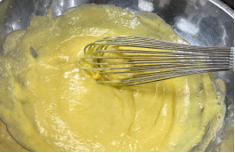
- Place the mixing bowl on top of the boiling water pot, making sure the bottom of the mixing bowl does not touch the water. Stir the mixture with a whisk at high speed, pouring the transparent oily part of the melted butter into the egg mixture in small amounts until all the butter is incorporated into the egg mixture.
Recipe Tips from the Chef
- When stirring the egg yolk liquid in water, the temperature is crucial. The water temperature should not be too high, just keep it at a slightly steaming state, otherwise the egg yolk will easily clump or become cooked, causing the sauce to fail.
- Be sure to add the butter slowly, add a small amount at a time and stir thoroughly, so that the butter and egg yolk liquid can be perfectly blended to form a smooth texture.
- Constant, even stirring is the key to making a great hollandaise sauce.
Serving Suggestions
Hollandaise sauce is extremely versatile and can add a unique twist to many dishes:
- Hollandaise sauce is a must for classic Eggs Benedict. It can also be paired with fried eggs, scrambled eggs, etc. to add a rich flavor to ordinary egg dishes.
- Hollandaise sauce pairs perfectly with all kinds of seafood.
- Hollandaise sauce can add rich flavor to bland vegetables like asparagus, broccoli, and carrots.
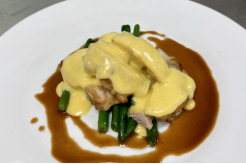
- Pouring Hollandaise sauce on meat dishes such as roast chicken and grilled lamb chops can make the meat more tender and juicy and add layers of flavor.
Storage and Make-Ahead Tips
- Refrigerate – Store in an airtight container for 1 – 2 days. To use again, remove the sauce from the refrigerator and allow it to warm slightly at room temperature, then heat over low heat over bain-marie water, stirring constantly, to restore its smooth texture.
- Freezing – Freezing hollandaise sauce is not recommended.
Recipe FAQs
Why is my hollandaise sauce clumping?
It may be that the heating temperature is too high, causing the egg yolk to become cooked and lumps.
How long does Hollandaise sauce keep?
Hollandaise sauce can be kept for 1-2 days if refrigerated. Since it contains egg yolks and butter, it can spoil easily, so it is not recommended to store it for too long.
https://prode89.com/the-ultimate-guide-to-mastering-classic-global-sauces-and-condiments/