https://prode89.com/the-ultimate-guide-to-5-irresistible-homemade-dips-from-around-the-world/
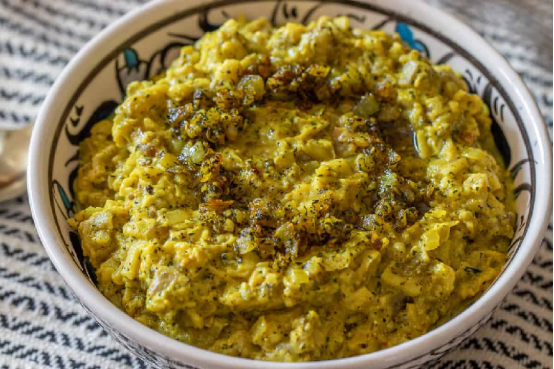
Kashk e Bademjan (Persian Eggplant Dip) is a beloved Persian dish that combines the smoky flavor of roasted eggplant with the tart flavor of the fermented dairy product kashk, creating a simple yet complex flavor experience. The name translates to “whey and eggplant,” with “bademjan” referring to eggplant and “kashk,” a fermented dairy product unique to Persian cooking, known for its smooth texture and slightly sour flavor. It’s this sourness, combined with the softness and smokiness of the eggplant, that creates this dish’s unique flavor.
This eggplant dip is typically served as an appetizer or side dish. It complements a traditional Persian meal with grilled Persian bread, such as Barbary bread, and a refreshing Persian Shirazi salad. Kashk e Bademjan is both flavorful and easy to prepare, making it a perfect side dish for everyday family meals or banquets.
Ingredients
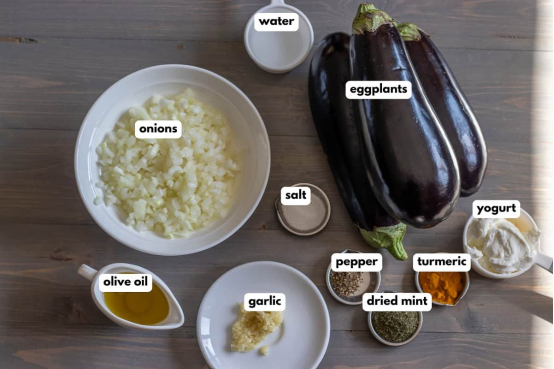
To make this delicious eggplant sauce, the following ingredients are essential:
Eggplant: As the heart of this dish, it is important to choose fresh, smooth eggplant with a shiny skin. The eggplant should be slightly springy but not too hard to ensure that it is soft and tender inside after roasting.
Kashk: This fermented dairy product, typically made from whey or yogurt, has a tart flavor. If you can’t find kashk, thick Greek yogurt or sour cream are alternatives; while the flavor is slightly different, they still complement eggplant well.
Onions: Choose brown onions and sauté until caramelized, which brings a hint of sweetness that complements the sourness of the eggplant and kashk.
Seasoning: Turmeric, dried mint, garlic, freshly ground black pepper, and salt are key ingredients that add dimension and flavor to this eggplant sauce.
Production steps
1. Prepare and roast the eggplant
First, select 2-3 medium-sized eggplants with smooth skin. Poke holes in the eggplants with a fork or lightly score the skin to help them cook evenly. You can choose to grill the eggplants on a grill or over an open flame to ensure the skin is browned and smoky, while the interior is tender.
If you don’t have an open flame, preheat the oven to 200°C/400°F and roast the eggplant in a baking tray for 30-40 minutes, until soft and the skin is golden brown. Once done, place the eggplant in a bowl, cover with plastic wrap, and let it rest for 10 minutes. This will make the skin easier to peel.
2. Prepare the seasoning
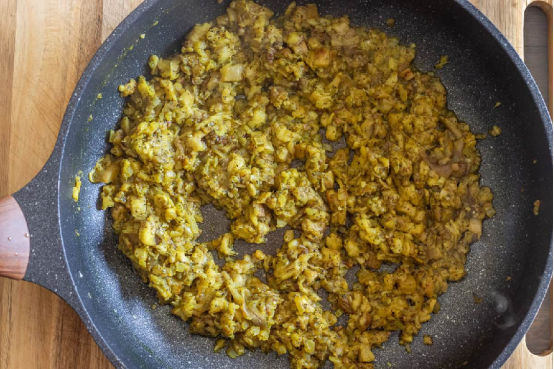
While the eggplant is roasting, heat 2 tablespoons of olive oil and sauté the chopped onion over medium heat until caramelized and softened with a sweet aroma. Add the minced garlic and sauté for 1 minute. Then, add the turmeric, dried mint, salt, and freshly ground black pepper and sauté until fragrant.
3. Eggplant and Kashik Fusion
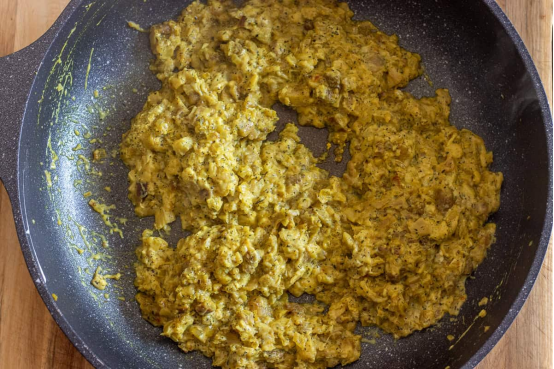
Cut and peel the roasted eggplants and finely chop them with a knife or lightly mash them with a potato masher. Add the eggplants to the sautéed onion mixture and add a few tablespoons of water to adjust the consistency and slowly mix well. Next, slowly add the kashk or yogurt and mix well until the sauce is smooth and thick enough for dipping.
Continue to simmer for a few minutes to allow all the flavors to blend. Finally, remove the eggplant paste and let it sit for 5-10 minutes until it cools slightly before serving.
4. Serving and decoration
Pour the prepared Persian eggplant sauce into a bowl and sprinkle with the reserved fried onion chopped. If you like, you can also add some dried mint or chopped walnuts for garnish to add layering.
Tips and Transformations
Kashik Substitute: If you can’t find kashik, you can use thick Greek yogurt or sour cream instead. While the flavor will be different, it will still give a similar flavor.
Eggplant selection: When buying eggplant, it is recommended to choose medium-sized eggplants with smooth skin. Overripe eggplants may have a slightly bitter taste, which affects the flavor of the finished product.
Tips for grilling eggplant: When grilling eggplant, make sure the heat is controlled properly. Eggplant that is too hard or boiled will cause the taste to be too watery and lose its flavor.
Taste adjustment: The eggplant sauce in this dish can be adjusted in thickness and flavor according to personal taste. If you like a stronger taste, you can increase the amount of kashk or yogurt.
Suitable dishes
Kashk e Bademjan is a versatile vegetarian dip that goes well with a variety of main dishes and side dishes:
Bread: The most classic way to eat it is with Persian flatbreads (such as Barbary, Lavash, or pita). It tastes great with warm bread and eggplant sauce.
As an appetizer: It can also be served as one of a variety of Persian-style dips, along with hummus, mast-o khiar, or Zeytoon Parvardeh, to complete a rich snack.
Side dish options: This eggplant dip can also be served as a side dish with grilled meats, kebabs or grilled vegetables, and is particularly suitable for the diverse dishes on the traditional Persian table.
Storage and heating recommendations
How to store: You can store leftover Kashk e Bademjan in an airtight container in the refrigerator for about 5 days. Remember to let it cool completely before storing to avoid excess moisture.
Reheating: If you need to heat it, you can choose to heat it in a pan over low heat or microwave it, taking short intervals and checking each time. If the dip is too thick, you can add a little water or yogurt to thin it out.
Freezing Recommendations: Due to the unique texture of dairy products and eggplant, freezing may alter the flavor and texture. Therefore, freezing this dish is not recommended and is best prepared fresh and consumed soon.
Conclusion
Kashk e Bademjan is a classic Persian dish that combines simple ingredients with rich flavors. It has a unique aroma and taste, and is perfect as an appetizer or side dish when served with warm bread. If you want to experience authentic Persian flavors, this eggplant dip is a must-try.
https://prode89.com/the-ultimate-guide-to-5-irresistible-homemade-dips-from-around-the-world/